When a Consulting Firm Builds Its Own Tool and Then Chooses Yours
Nathan Evans
How Company Companions went from building Dynamogramm™ to partnering with Peerdom, and what it means for organizations navigating transformation.
Companion Perspectives · with Company Companions
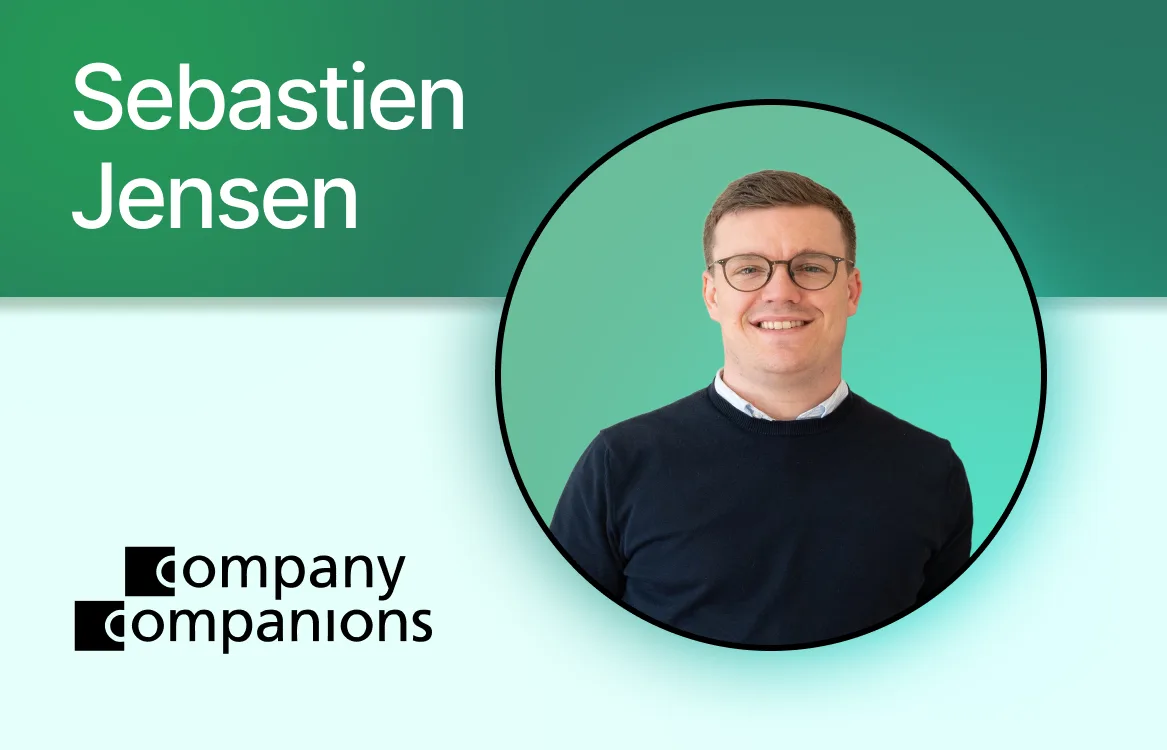
Company Companions is a German-based organizational consulting firm that has spent 15 years helping mid-to-large companies transform how they work and organize themselves. Their clients include family-owned businesses, manufacturing firms, and holding companies, ranging from 200 to 13,000 employees. They share a common challenge: they’re working to sharpen their focus. They’re busy, but often busy with the wrong things.
In 2014, Company Companions published “Kein Bullshit” in which they discussed causes for need for its clients’ transformation: lack of good leadership, missing a coherent strategy, overcomplicated processes, too much silo thinking and the fact that the way organizations visualize themselves has nothing to do with how they actually work.
Classic org charts show who leads whom, not who collaborates with whom, which competencies exist in the company, or how cross-functional work gets done. Therefore, Company Companions built their own software solution for its clients: the Dynamogramm™.
The Dynamogramm™ set out to be a dynamic and living mirror of the organization. It worked. But building software as a consulting firm is a different game entirely. It demands total focus, continuous development, and dedicated product resources. Company Companions reached a conclusion that many consultancies eventually face: domain expertise and product development are two very different disciplines.
That realization led them to Peerdom.
We sat down with Sebastian Jensen from Company Companions, to talk about what they learned building Dynamogramm™, why they chose to partner with Peerdom, and what this means for organizations working through transformation.
The interview
Company Companions has been in organizational consulting since 2010. What’s the core problem you keep running into with clients?
What we experience is that organizations struggle to focus their energy where it matters most. They’re very busy, but often busy with the wrong things. And a big part of that comes from how they organize and visualize their work. Classic org charts show who is in charge of whom, but not who is in charge of what. They create a visual barrier between departments: the classic silos. Yet, most organizations no longer work in “closed shops”. Today there are so many ways of getting work done: cross-functional teams, temporary projects, new competencies. Visualizing the dynamic reality of everyday collaboration with a traditional org chart feels totally wrong.
We published this insight in one of our books: “Kein Bullshit”. Its first edition dates back to 2014. We observed a fundamental break between how people really collaborate and what’s being visualized. Everyday collaboration is not only happening in meeting rooms, but at the coffee bar, during breaks, and inside the “real organization”. None of these interactions are mirrored in an org chart.
Temporary teams, cross-functional work and collaboration beyond sites? Never displayed. That gap was the birth of the Dynamogramm™.
So you built your own software to close that gap. What was that experience like?
Not easy. We spent significant resources on it, built a product team, and learned a lot. But at some point we found out: we are not a software company. We have deep domain expertise in leadership, organizational development, and strategy but we can’t do both things at a hundred percent.
Every time we used the Dynamogramm™ in workshops with clients, they asked us: why can’t we add this feature? Why don’t we have that? We kept hitting limitations. And we didn’t have enough client cases outside of our core consulting work to draw a clear conclusion on the right direction for a SaaS product. Building a product is a whole different business, and we simply didn’t have the resources to do both at the same time.
How did you first come across Peerdom?
Peerdom reached out at some point, and when I looked at it, my first reaction was: well, that’s very similar to what we’re doing. So we talked. And that conversation was the first time we started to realize how much it really takes to build a product like this.
It gave us a new perspective on the Dynamogramm™. We started realizing that what we had was much more than a quick-build MVP. But it was not enough. When we saw what Peerdom had built, we realized: that’s exactly where we always wanted to go.
Was there something specific that stood out?
The biggest thing for me was realizing that Peerdom has a dedicated team not doing anything else but working on the architecture and the success of this product. That was very cool and very inspiring. And at the same time, it made me realize what it actually takes to bring something like this to life.
Features that our clients had been requesting were already represented in Peerdom. When we talked about the problems we’re trying to solve, Peerdom is exactly on the same page as we are. So we feel very confident offering Peerdom to our clients. We can strongly relate to what it offers. And at the same time, it’s technically so much better than what Dynamogramm™ would ever have grown into. It just feels very natural.
What does the transition look like for your clients?
In the past, we used the Dynamogramm™ together with our clients during workshops. Once the sessions ended, the tool (and the insights it revealed) often faded away. It always felt like a missed opportunity.
With Peerdom, we can now leave clients with something lasting. It’s an evolving tool that continues to deliver value long after the transformation process is complete. They have a chart that can continue to evolve even without our help. They can grow on the foundation we create together. It’s not just a supporting tool; it’s something that continuously drives our clients’ transformation. And I find that very, very valuable.
We happily buried the Dynamogramm™. The ideas, concept, and value we always wanted to deliver to our clients now simply has a new name and a better solution.
Let’s talk about the partnership. What do organizations miss when they adopt a tool without consulting support?
The biggest danger is that you just visualize your organization the same way you always have, but in a different format. Rectangles become bubbles, you throw some competencies in there, and you call it done. But the organization should be a vehicle to achieve your strategy. You need to derive clear requirements from your strategy and ask: what does the organization need to look like for us to perform on our strategy?
Without an outside perspective, people tend to think “we’ve always worked this way.” They don’t question decisions made years ago. You need someone to challenge that and to push you in a new direction and ask the critical questions.
And the other direction: what about consulting without a tool?
You produce a lot of paperwork visualizing the new organization, but you can’t go deep enough to create certainty. You can’t answer all the questions people have during a transformation. With a tool like Peerdom, people can dive in, experience the new organization themselves and adapt them always to ever changing conditions. That interactivity matters. You can’t replicate that with documents.
The combination is where it gets powerful. If you change something but visualize it badly, people don’t understand what changed. If you change nothing but visualize it nicely, people say “that’s just the same with new colors.” But both changing something and changing the way it’s visualized makes the change tangible for everyone.
What kind of organization benefits most from this combination?
We work with organizations from 200 to 13,000 employees ranging from roughly 150 million to three billion euros in revenue. This includes trading companies, service companies, manufacturing, private equity, holding companies. Our sweet spot is family-owned businesses in Europe, but it really ranges across industries.
What they all share is that same loss of traction. They’re busy with a lot of things but often losing grip on what really matters. That’s true whether they’re decentralized, regionally split, constantly transforming, or haven’t transformed at all in years.
If you had any advice for another consulting firm considering whether to build their own tool, what would you say?
My first question would be: is there anything in the market that’s similar to what you’re trying to build? If yes, then don’t build it. There’s no chance that a consulting business is going to be faster than a software company building this. What you can do is join forces: offer your domain expertise, your feedback from the market, and a product competence.
And if nothing exists? Then you need a dedicated product team. Don’t wing it on the side. Be ready to invest real resources. Because the world rotates too fast to build something and just leave it. It’s going to be unwanted in twelve months.
Last question: if the org chart is dead, what’s being born in its place?
A mirror of the organization. A mirror of what actually happens. Everything else is just paper.
What this partnership means
Company Companions brings 15 years of hands-on transformation experience to the Peerdom ecosystem. For organizations working with them, this means access to both strategic consulting and a platform that grows with you long after the engagement ends.
For Peerdom, it’s a signal of what we’ve always believed: the best transformations happen when the right expertise meets the right technology. We’re building a network of consulting partners who share this vision and Company Companions is leading the way.
If your organization is navigating a transformation and you’re looking for both the strategic guidance and the tools to make it stick, get in touch.
Company Companions is a consulting firm based in Germany, working with mid-to-large enterprises across Europe. Learn more at companycompanions.com.
Peerdom is an interactive organizational map that helps teams visualize how they really work together. Learn more at peerdom.com.
Keep reading
customer stories
Learn how Bayer Pharma Schweiz paired its classical org chart with a living map of project and topic teams to make expertise visible, find experts faster, and support their Dynamic Shared Ownership operating model.
insights
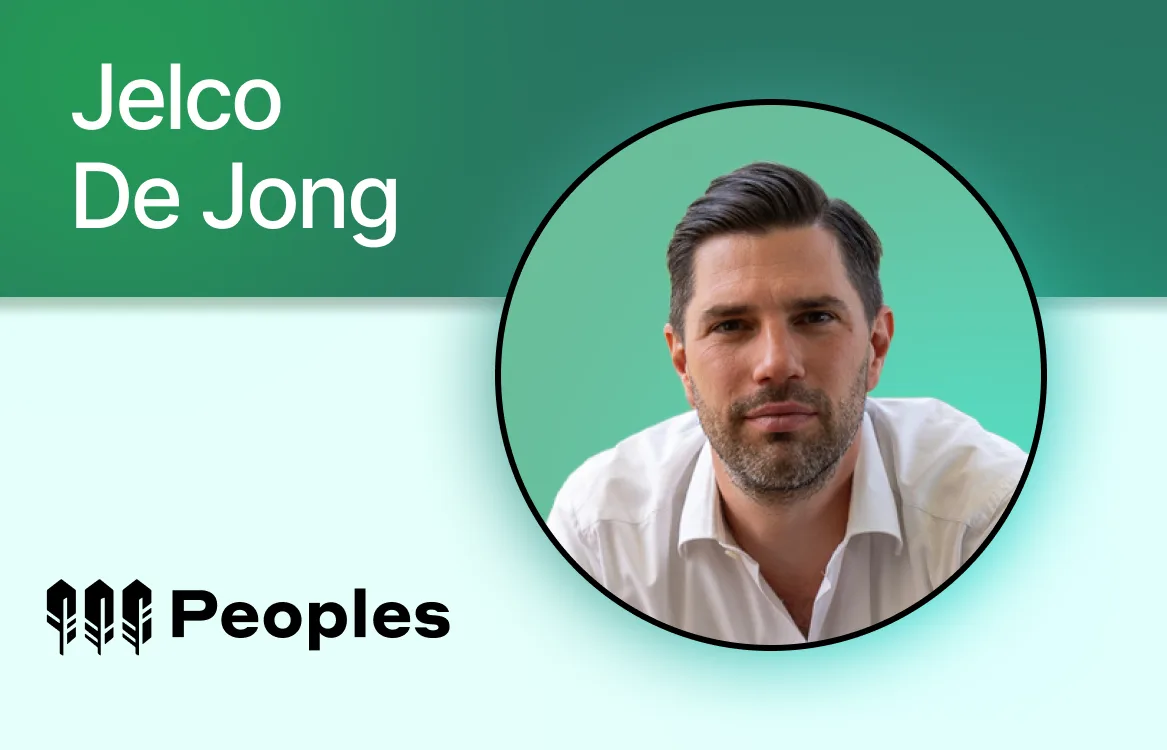
Jelco de Jong from Peoples on invisible work, the lack of a clear lineup, and why most teams have never had the one conversation that would change everything.
insights
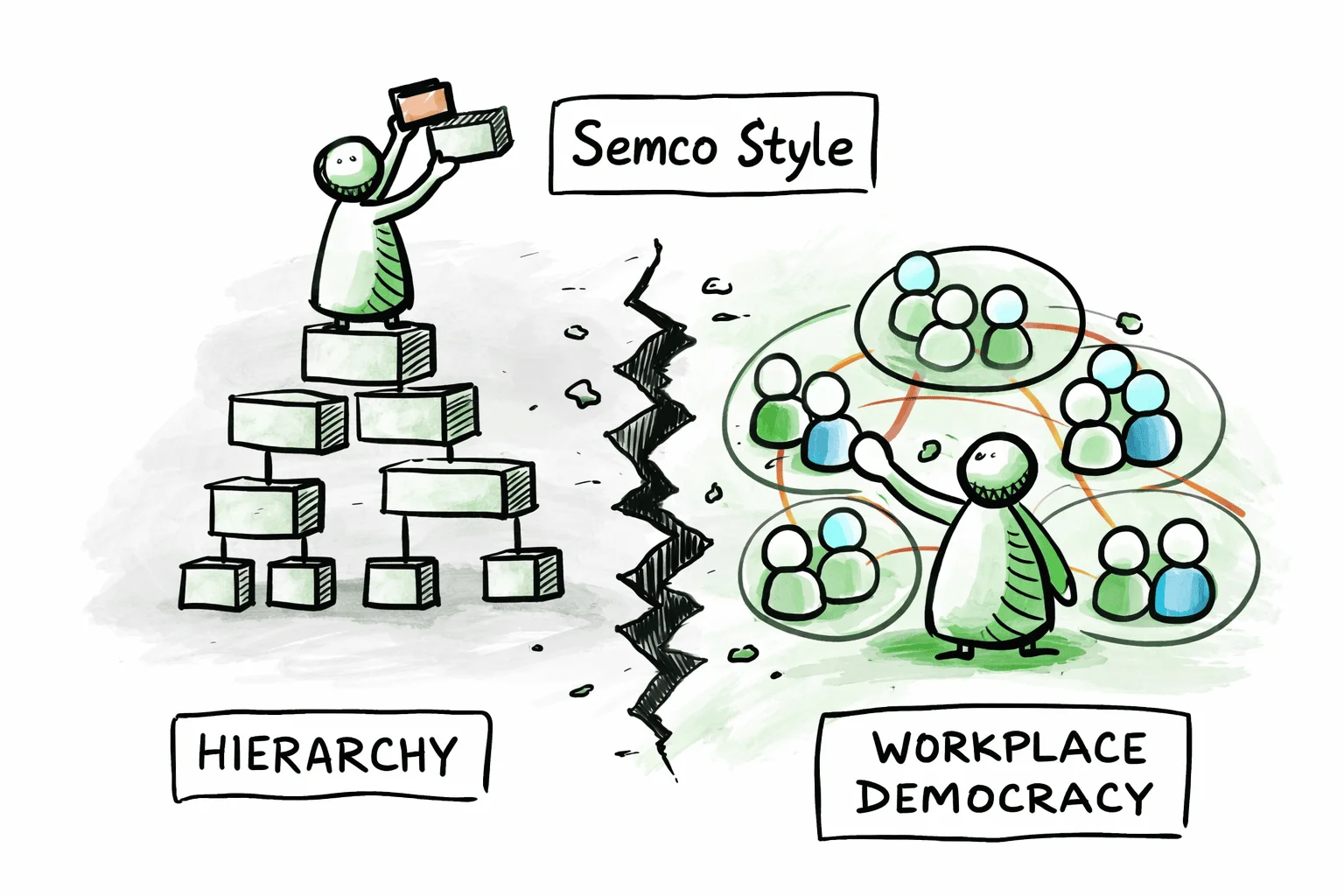
How a Brazilian manufacturer grew from $4 million to $212 million in revenue by letting employees set their own salaries, choose their own hours, and vote on company decisions.